Bangladesh lags in EV adoption despite global surge
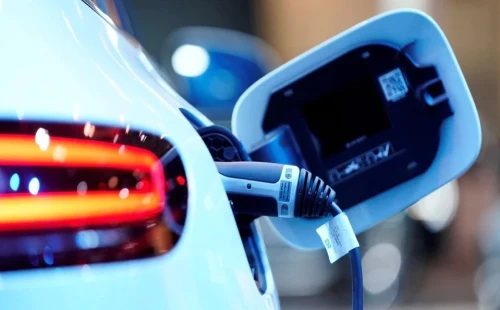
Bangladesh is lagging in electric vehicle (EV) adoption
even as global sales surge, with industry stakeholders calling for stronger
policy support and incentives to accelerate the transition.
According
to the International Energy Agency, EV sales crossed 20 million units in 2025,
growing more than 20% year-on-year.
In
China, EVs account for 12% of vehicle registrations and nearly half of car
sales in the domestic market. The global leader in the EV industry, China,
reduced fuel import costs by 10% last year.
India and Vietnam have rolled out aggressive incentives,
including tax cuts, subsidies and local manufacturing support, to accelerate EV
adoption and reduce oil dependency.
In
Bangladesh, however, adoption remains slow. Data from the National Board of
Revenue (NBR) show 178 EVs were imported in FY25 and 82 in the first half of
FY26.
A plan to procure 400 electric buses is yet to be
implemented.
Industry
stakeholders have broadly welcomed the commerce ministry's proposal to lower
customs duty and supplementary duty on electric buses, trucks, dumpers and
excavators to levels below those applied to conventional fossil fuel-powered
vehicles, but stressed that local manufacturing must be prioritised over
imports.
Hafizur
Rahman Khan, president of the Bangladesh Automobile Assemblers and
Manufacturers Association, said, "The world is moving towards electric
vehicles and Bangladesh must follow. But tax incentives should favour local
production and assembly more than imports."
He said several companies have already invested in EV assembly and
manufacturing, often in partnership with global firms.
"If
we ensure policy stability and protect these investments, the sector can
generate employment and build backward linkage industries," he added.
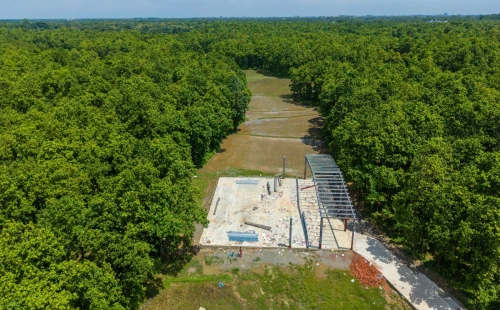
Bangladesh
Auto Industries Ltd, one of the country's pioneering EV manufacturers, has
completed construction of a factory on 100 acres in Chattogram's National
Special Economic Zone, with an investment of Tk1,440 crore.
However,
production has yet to begin due to delays in gas connections.
Managing
Director Mir Masud Kabir said high duties on imported components, currently
around 61%, are a major barrier.
"To
develop a competitive EV industry, duties on parts must be lower than those on
fully built vehicles. Export incentives would also help attract foreign
investment," he said.
Meanwhile,
Runner Automobiles Ltd has recently signed an agreement with China's BYD to
explore local assembly or production opportunities, signalling growing interest
from global EV players.