Rooppur power supply: Ensuring grid stability now key task
Highlights
- Grid stability is the
main challenge, with strict 50 Hz control needed
- Power will start at
300 MW and gradually rise to full capacity
- Regular inspections
and monitoring every five days
- Staff shortages
persist despite ongoing training and hiring efforts
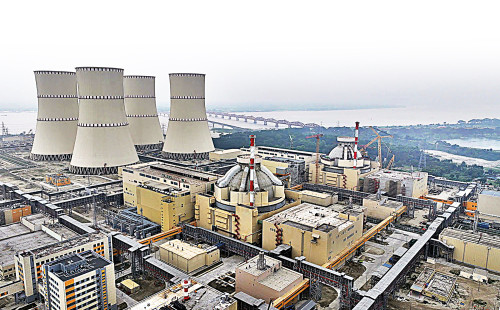
Following fuel loading at the Rooppur Nuclear
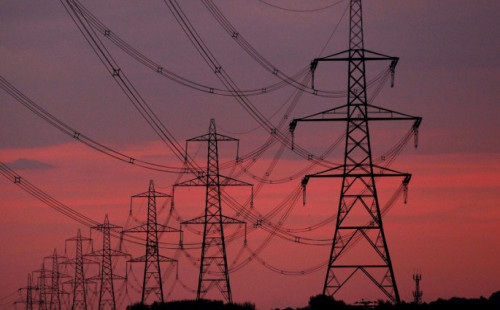
Power Plant, the biggest immediate challenge is ensuring grid stability for
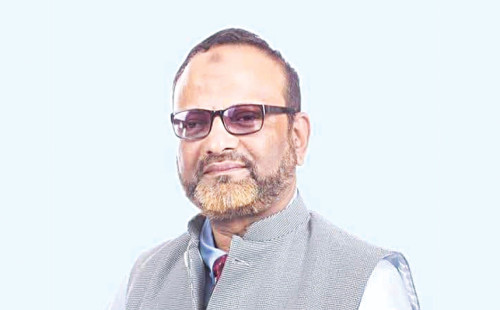
electricity generation. No other major risks are currently visible, Mahmudul
Hasan, chairman of Bangladesh Atomic Energy Regulatory Authority (BAERA), has
said.
After fuel loading of the first
unit on Tuesday (28 April), the BAERA has already begun close monitoring.
Mahmudul Hasan told TBS yesterday that once 300 megawatts
of generation begins, electricity will be supplied to the national grid as
the grid's capability must also be tested. "A nuclear power grid is
different from grids used for gas or coal-based plants, where frequency control
is critically important and must remain at 50 hertz," he said.
He added decisions would be taken
after reviewing frequency, voltage and other technical indicators, while load
levels would also be determined accordingly. Even slight fluctuations in grid
frequency can create major risks and may automatically shut down the plant if
levels fall below the required threshold.
He said the relevant authorities,
including the Power Grid Bangladesh PLC, had repeatedly been warned to follow
international standards. He added that he personally visited offices concerned
and provided nuclear grid guidelines of the International Atomic Energy Agency.
Mahmudul Hasan said safety issues
at the project would be monitored regularly. Initial inspections have already
been completed, and further visits will take place every five days for tests
and inspections. Reactor operations, boric acid levels, radiation and all other
data will be measured and recorded regularly.
"Electricity generation will be increased gradually – first 300 megawatts,
then progressively towards full capacity – with close monitoring at every
stage," said Mahmudul.
He said the inspection process
would continue on a fixed schedule, with visits, data collection and
documentation every five days to ensure safe and effective plant operation.
According to project officials,
electricity from the first unit of Rooppur is expected to be added to
the national grid around December or January.
Mahmudul expressed hope that output
from the first unit would initially rise to 900 to 1,000MW before reaching the
full 1,200MW capacity later.
On manpower shortages, the BAERA
chairman admitted the authority lacks sufficient staff, with around half of
required posts vacant. He said new recruitment through government procedures
takes time, making a quick solution difficult. Discussions are under way at
higher levels.
"Many personnel are being sent
to Russia for training, while several have already returned after earning
advanced degrees," he added.
Regarding the second unit, he said
it would be launched after completing trial operations similar to the first
unit. Instructions have been given to complete fuel loading for the second unit
by April next year, roughly within a year.
He said an earlier announcement had
set 7 December of last year as the fuel loading date for the first unit, but
all preparations had not been completed then. No licence was issued
until all conditions were fulfilled. He said fire safety arrangements were not
satisfactory at that stage, but were later corrected following intervention by
the Prime Minister, allowing the licence to be granted.
He added that the second unit would
face the same level of scrutiny.
"The first unit received its
operational licence only after all verification procedures were
completed. A separate licence will be required for the second unit,
just as each vehicle requires its own licence," he said.
Mahmudul said Russian contractors
had been instructed to complete preparations so fuel loading can take place
next April, because delays would also postpone the country's benefits from the
project.
On future plans, he said there is
room to install more units at the same site, and smaller units such as 600MW
could also be considered. However, such decisions depend entirely on the
government and would be finalised through parliamentary discussions.
Future participation by different technologies or other countries also cannot
be ruled out.