CTTC says probing militant attack threat on key installations, urges calm
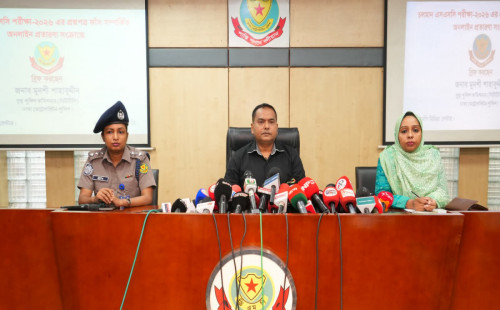
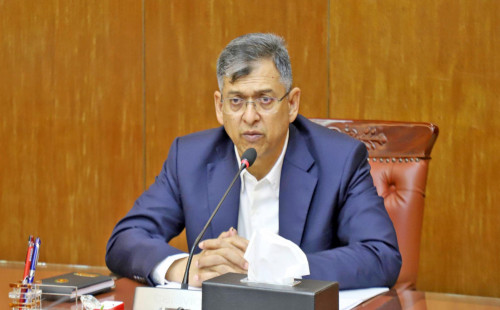
The Counter Terrorism and Transnational Crime (CTTC) unit
of the police has said it is probing intelligence warnings of possible militant
attacks on key installations, including Parliament, while urging the public to
remain calm.
"We have received this information
and CTTC cyber intelligence is working on it," CTTC Joint Commissioner
Munshi Shahabuddin said during a press briefing today (25 April) at the DMP
Media Centre.
However, he did not provide any
information about identifying any specific organisation or group behind the
threat.
Seeking to reassure the public, he said there is no reason
to panic. "We are working and we will be able to face it."
When asked about strengthening
security at important state installations, he said such matters fall under
security planning and are not to be disclosed.
On whether those planning the
attacks have been identified, he said, "We are working on it. So I think
the time has not come to comment."
Responding to a question about
arrests of armed forces members, Shahabuddin said he does not have specific
information at the moment.
During the previous interim government, former DMP commissioner SM Sazzat Ali
drew attention for saying there were no militants in the country and that
militant incidents were staged during the Awami League period.
Asked about that statement and
whether militants exist in the country, Shahabuddin said, "We are working
on it. If we find them, we will definitely take action."
Meanwhile, Police Headquarters late
last week issued an intelligence alert warning of possible attacks by members
of a banned militant group targeting key state and public installations,
including Parliament.
The alert, circulated on Thursday
(23 April), said intelligence indicated that individuals linked to the banned
group were in regular contact and may be planning coordinated attacks on
sensitive locations.
It added that potential targets
include parliament, police and military installations, places of worship,
entertainment venues, and other critical infrastructure, and instructed
heightened surveillance and security measures.