Govt mulls strategic diesel allocation for RMG units to counter load-shedding
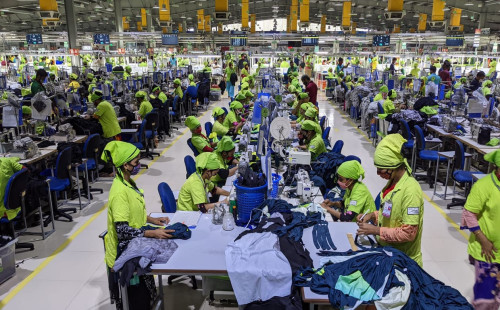
The government is considering a strategic diesel
allocation plan for the ready-made garment sector based on recommendations from
trade bodies to ensure factory generators remain operational during periods of
load-shedding.
The move comes amid a worsening global energy
crisis triggered by the Iran war, which has driven up fuel and LNG prices and
disrupted supply chains. Iran's move to halt tanker traffic through the Strait
of Hormuz has further tightened global supply.
According to officials and industry sources, the
proposed mechanism will allow factories to receive diesel strictly in line with
certified daily requirements provided by the Bangladesh Garment Manufacturers
and Exporters Association (BGMEA) and the Bangladesh Knitwear Manufacturers and
Exporters Association (BKMEA).
Both organisations have already begun collecting
data from member factories on generator capacity and fuel demand. In a letter
issued on Sunday, the BGMEA asked its members to submit details of generator
usage, capacity and diesel requirements by 2 April, while the BKMEA issued a
similar request.
BGMEA President Mahmud Hasan Khan said factories
rely on standby generators during power outages, which require a steady diesel
supply. He noted that discussions with the government are under way to ensure
equitable fuel distribution during the ongoing global crisis.
He added that, under an initial plan, diesel
allocation would be based on the amount required to run generators for up to
four hours a day, as extended load-shedding beyond that duration is not
anticipated.
BKMEA President Mohammad Hatem said the
association is gathering daily fuel demand data from its members and will issue
certifications accordingly. He added that a meeting with the power and energy
minister was scheduled for late yesterday to finalise the arrangement.
BKMEA Executive President Fazlee Shamim Ehsan
said discussions have already taken place with the energy minister and local
administrators in Narayanganj and Gazipur, with positive responses.
He expressed hope that fuel supply based on
organisational recommendations would begin soon, depending on the evolving
situation.
Under the proposed system, factories will be
allowed to collect diesel once daily from nearby filling stations, which will
supply fuel upon verification of BGMEA or BKMEA certification, sources said.
Data from the Bangladesh Petroleum Corporation
indicate that the country consumes around 13,000 to 14,000 tonnes of diesel per
day, with about 5% used by industrial factories. The bulk of diesel is consumed
in transport, irrigation and power generation.
Bangladesh, which is heavily dependent on fuel
imports from Middle Eastern countries such as Saudi Arabia and the United Arab
Emirates, has not received crude oil shipments since the war started.
Imports of refined fuel and LNG – primarily
sourced from countries including Qatar and Oman – have also been affected, with
LNG prices nearly doubling.
Diesel remains critical for transport,
agriculture, power generation and industrial operations, while LNG is widely
used in electricity production and factory boilers. The ongoing global shortage
has already begun to affect domestic supply, with consumers facing difficulties
in obtaining fuel in line with demand, industry insiders said.