Bangladesh highlights energy, water cooperation in India ties reset
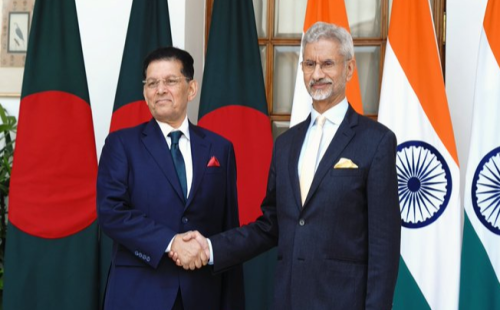
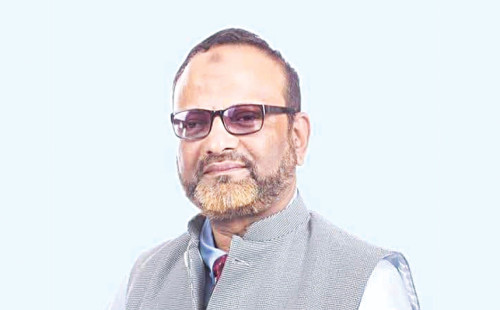
Khalilur Rahman, Bangladesh's foreign minister, said the
country is pursuing a "slowly but surely" approach to strengthening
bilateral relations with India, emphasising patience and incremental
confidence-building following the formation of a new government.
In an interview, Rahman described
the future of ties through the prism of a "slowly but surely"
concept, signalling a preference for gradual progress over rapid diplomatic
breakthroughs. He characterised the current atmosphere in New Delhi as one of
convergence, noting that both neighbours are "willing to engage, talk and
take initiatives" after Tarique Rahman assumed office, says NDTV.
He said Dhaka's strategy centres on
gradual normalisation rather than accelerating negotiations, stressing the
importance of "patient confidence-building" to rebuild trust and
sustain long-term cooperation.
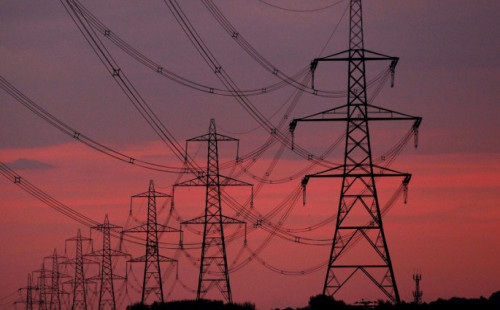
Energy cooperation has emerged as a key indicator of improving ties, Rahman
said, pointing to India's support during global energy disruptions. "We
have a pipeline and India is supplying diesel to Bangladesh," he said,
referring to ongoing supplies during the Middle East crisis.
Water sharing and climate
resilience are also expected to play a central role in future engagement. With
the Ganga Water Treaty due for renegotiation later this year, Rahman described
equitable water management as a "civilizational bond". "Water is
finite. Ganga means life," he said, underscoring the importance of the
river system.
He also highlighted shared
environmental challenges, saying, "People are people. Whether it is in
India or Bangladesh, we are facing exactly the same type of climate
crisis," and called for a climate-resilient framework that could underpin
bilateral relations for decades.
On broader strategic and economic
relations, Rahman said Bangladesh's foreign policy is not a "zero-sum
game". "Our relationship with other countries is not a problem,"
he said, referring to ties with partners such as China, which he said are
driven by market forces rather than strategic alignment against India. He
characterised India as a "structural presence" in Bangladesh's
development, particularly in regional infrastructure and economic integration.
Rahman also highlighted the importance of people-to-people connections, citing
shared cultural and geographic links, including borders and rivers. He said
improving visa systems would be key to facilitating greater mobility and
delivering tangible benefits for citizens in both countries.