Banglar Joyjatra clears Strait of Hormuz after four-and-a-half-month ordeal
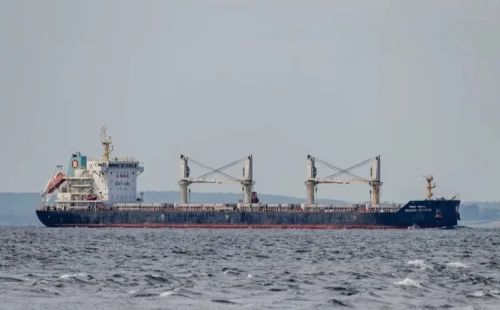
A Bangladesh-flagged vessel that had been stranded in the
Gulf region for about four and a half months successfully crossed the Strait of
Hormuz early today (23 June), the Bangladesh Shipping Corporation (BSC) has
said.
The
vessel, Banglar Joyjatra, crossed
the strategic waterway at 3am Bangladesh time and sailed towards Fujairah in
the United Arab Emirates for bunkering and bottom-cleaning operations,
according to a press release.
Built
in 2018, the bulk carrier has a deadweight capacity of 38,894 tonnes and
carries a crew of 31 Bangladeshi nationals, all of whom are safe and in good
health.
According to the BSC, the vessel entered Middle Eastern waters on 26 January
under a Singapore-based charter arrangement.
It
initially transported 39,000 tonnes of steel coils from Qatar's Mesaieed Port
to Jebel Ali Port in the UAE and completed cargo discharge on 11 March despite
heightened regional tensions, the statement says.
To
maintain commercial operations amid the uncertainty, the BSC later deployed the
vessel to Ras Al Khair Port in Saudi Arabia, where it loaded around 37,000
tonnes of fertiliser bound for Cape Town and Durban in South Africa.
The
corporation said the vessel remained on hire throughout the period and did not
lose any charter income.
However, escalating security concerns around the Strait of Hormuz prevented the
ship from leaving the region.
The
BSC said the vessel remained stranded after transit permission through the
strait was denied in April, forcing it to wait for months in the Gulf before
receiving clearance to proceed.
The
corporation said the successful transit followed continuous monitoring and
guidance from senior government officials, including the prime minister, and
described the development as a significant achievement for Bangladesh's
maritime sector.
It
also praised the vessel's crew for their professionalism and resilience during
the prolonged period of uncertainty.
The
BSC said uninterrupted supplies of food, water, fuel and other essentials were
maintained throughout the ordeal, while additional allowances and incentives
were provided to support the seafarers' welfare.