35% tax may apply on income above Tk3 crore in budget FY27
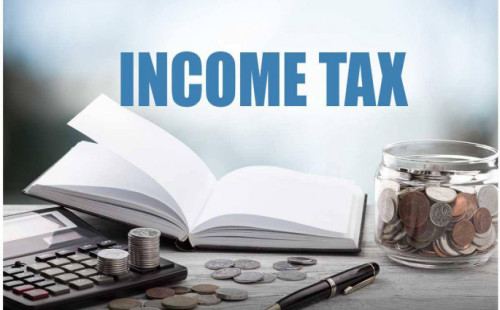
The government has disclosed a multi-year
personal income tax roadmap outlining rates over two years during the interim
government period and three subsequent years under a BNP-led government,
according to budget proposals presented in the latest fiscal framework.
Under the plan, the highest personal income tax
rate is set to rise to 35% for individuals earning above Tk3 crore from the
2028-29 tax year, up from the existing 30%.
The additional 5% tax will apply to the
"super income group," while middle-income taxpayers will remain
unaffected.
"We proposed an additional 5% tax on income
exceeding Tk3 crore from tax year 2028-29 to 2030-31. This higher rate will
apply only to a small number of wealthy and high-income taxpayers and not to
middle-income taxpayers," a draft budget speech by Finance minister Amir
Khosru Mahmud Chowdhury reportedly stated, according to finance ministry
sources.
The revised rate is expected to take effect on
income earned in the 2027-28 fiscal year.
The proposal also includes an adjustment to the
tax-free income threshold. For the 2028-29 tax year, the exemption limit is set
to rise to Tk4 lakh, up from Tk3.75 lakh under earlier interim government
announcements for the 2026-27 fiscal year. The threshold is projected to
increase further to Tk4.5 lakh by 2030-31.
Under the proposed slab structure, income up to
Tk3 lakh will remain tax-free, followed by 10% tax on the next Tk3 lakh, 15% on
the next Tk4 lakh, 20% on the next Tk5 lakh, 25% on the next Tk20 lakh, and 30%
on income up to Tk2.64 crore. Income above Tk3 crore will be taxed at 35%.
For the 2030-31 tax year, the top rate is
expected to remain unchanged, though adjustments are likely in lower tax
brackets and exemption limits.
Bangladesh's top tax rate has fluctuated over
time, standing at 30% for years before being reduced to 25% during the previous
Awami League government and later restored to 30%.
Economists have long argued for higher taxation
on high-income groups to reduce inequality, while some tax experts caution that
higher rates could discourage compliance among existing taxpayers.